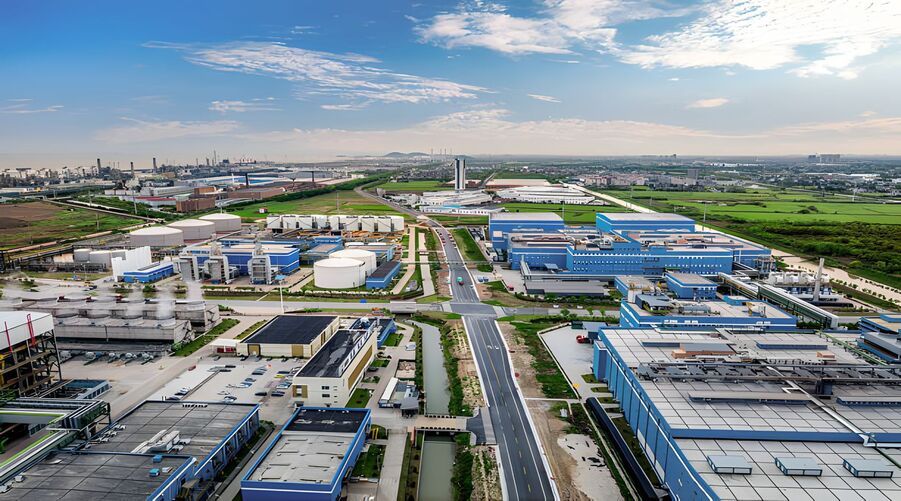
Turning Waste into Wealth: Qiqihar Longjiang Fufeng Produces High-Value Organic Fertilizer from Corn Processing Byproducts.

Standing out in a northern Chinese city like Qiqihar takes grit and a willingness to see opportunity where others overlook it. Fufeng Group spotted something most folks ignore—the mountains of leftovers from corn processing. For years, corn byproducts stacked up, creating a headache for factories and the city. People cursed the smell and worried about pollution in their water and air. Many saw only waste. Fufeng saw a resource just waiting to work for the region.Northeast China grows a lot of corn. Every bag hauled out of those endless fields feeds the local economy, creates jobs, and keeps Qiqihar’s industry humming. Still, every load leaves behind tons of husks, peels, mush, and water-heavy gunk. Years ago, much of it rotted in heaps or landed in burn piles. Not only did that fill the air with smoke that burned your lungs, but it also wasted nutrients locked inside. By turning these leftovers into organic fertilizer, Fufeng keeps good stuff in the local soil and out of rivers and landfills.From my visits to farm towns near Qiqihar, it’s obvious locals crave fewer chemical fertilizers and would welcome something safer and cheaper. Too much artificial nitrogen or phosphorus over time leaves earth crusted or washes minerals away when rains come. Problems build up in crops and wells—discolored stems, weak roots, water nobody trusts. By making organic fertilizer out of plant leftovers, Fufeng closes a circle: fields feed factories, factories feed fields again. The waste becomes a lifeline, returning nutrients to dirt that gives back year after year.Money sticks around longer in a town when one job leads to another. In Qiqihar, local collection teams gather, sort, and transport processing leftovers, giving steady work. Farmers urge friends to try the new fertilizer, cutting spending on expensive synthetic stuff shipped from far away. Researchers in agronomy get to test real soil, real yields. Some old hands who spent years shoveling up factory waste now have a hand in blending it into something valuable. Instead of cleaning up a mess, they help make something that grows food for the next generation. That difference matters when you see whole neighborhoods depend on each other.One big problem with “green” solutions often comes down to trust. Market scams and shoddy imitations burned plenty of local farmers in the past—products that promised bigger harvests and richer land but delivered disappointment or, worse, damage. Fufeng’s decision to keep their process open to scrutiny and to lean on credible academic partners signals that they care about reputation as much as profit. Independent testing, genuine field trials, and a willingness to tweak formulas based on customer feedback build a track record worth something more than a slick advertisement.Every new idea runs into trouble or resistance, and this one is no different. Some parts of the region lack roads smooth enough for easy transport of byproducts or finished fertilizer. Old storage sheds let too much rain in, risking spoilage and waste. Government incentive programs sometimes run dry before the busiest season. It's not all roses. Coordinating smoother logistics and supporting new infrastructure would open more doors for honest local profit. A better supply chain, clearer labeling, and continued buy-in from honest local cooperatives would protect both the product and those who depend on it.Conversations with small landholders show that change starts with direct results. If an organic fertilizer lifts yields without hurting future planting, folks talk. If the same field stays healthy and weeds aren't blown up by excess nutrients, people notice. In Qiqihar, stories move faster than press releases. Backing those stories with clear research, accessible training, and open channels for feedback keeps the whole project from turning into another top-down edict. Building on what works, admitting missteps, and proving real benefits beat theory every single time.Across China and the world, towns face mounting piles of unused organic waste. Some burn it. Others dump it in holes. A rare few try to transform it as Fufeng has. Their experience in Qiqihar offers lessons for anyone looking to build greener, more resilient local economies. Start with what people already have in surplus. Invite workers, not just management, to suggest practical improvements. Make proof of value visible, season after season, so that the benefits land right in local hands. As more regions strive to turn waste into wealth, it pays to watch who does the hard work and who just talks about it. Fufeng’s fertilizer project proves that real results follow effort rooted in community and grounded in local needs.

Driving Growth with MSG, Amino Acids & Corn Oil: Qiqihar Fufeng Spearheads Fermentation Upgrade in Northeast China.

The world gets caught up in trends—plant-based protein one day, a backlash against food additives the next. In the midst of all this noise, Qiqihar Fufeng in Northeast China pulls off something a little different by doubling down on the old but gold trio: monosodium glutamate (MSG), amino acids, and corn oil. These are hardly new inventions, yet here they are at the heart of a strategy rooted in fermentation upgrades that could give the whole region a real shot in the arm. Some scoff at MSG or see amino acids as just nutrition jargon, but I remember visiting factory towns in northern China, seeing how these substances—processed right—supported jobs in places where new opportunities didn’t exactly line up outside the door.Folks sometimes forget the role fermentation plays in the real world. This isn't just craft microbreweries or yogurt startups riding health crazes. In China’s northeast, fermentation means working with local crops—especially corn—and wringing every bit of value out of them. You take corn, extract the starch, feed it to microbes. That’s where the transformation happens: you get MSG, amino acids, and corn oil from the same basic input. This isn’t only about marketable food; it’s about old factories finding ways to stay useful, rural families finding buyers for their harvest, and young people considering reasons to stick around once crops are in. The Chinese government set targets for agricultural modernization, and companies like Fufeng turn those policies into something you can taste, package, or ship.MSG has had a wild ride. Some in the West got it lumped in with “unhealthy” food—unfairly, as scientists showed time and again that it’s safe in the real world, not just in a lab. In Asia, chefs and families use it as a staple because it brings depth to dishes without masking true flavors. What stands out with Fufeng’s bet on MSG is not just nostalgia or tradition. It’s about efficiency—getting more flavor from less, making street food as bold as banquet fare. MSG gives school kitchens, restaurants, and even home cooks an affordable way to boost taste. In places where inflation pinches food budgets, MSG helps stretch good ingredients instead of cutting corners. People have seen it in local noodle shops and canned broths, far from any food snobbery.Amino acids carry a whiff of science fair hype, but break it down and you realize the promise. Food processors rely on them in animal feed, accelerating growth in livestock and even aquaculture. They end up in sports nutrition powders and hospital drips. For Qiqihar Fufeng, successfully fermenting amino acids from locally-sourced corn means less dependence on imports—a sore point for Chinese agriculture for years. They also give rural economies new incentives to stick with corn, as demand for animal feed and processed foods rises. I see the value in this: fewer bottlenecks at customs, less anxiety about international commodity prices, more money flowing back to villages.Every Chinese home has a bottle of corn oil somewhere in the kitchen. It’s neutral, affordable, and versatile. Yet, squeezing profit from corn goes far beyond pressing out oil. Companies like Fufeng ferment leftover solids for fertilizer, soap, or industrial glue, driving down waste and driving up returns for small farmers. Supply chains stretch all the way from cornfields to city supermarkets, and every step adds jobs and keeps local economies fluid. Policies from Beijing often call for “comprehensive use of agricultural resources,” but it takes companies with boots on the ground to turn buzzwords into payroll.Boosting fermentation may sound technical, but in truth it means hundreds of workers with steady shifts, truck drivers with new routes, and regional government leaders eager for growth they can point to at year-end statistics meetings. These upgrades need careful oversight; if corners get cut on environmental controls, old stories of pollution creep back. Yet, as tech improves—closed-loop fermenters, stricter emissions controls—the risks can shrink while output grows. Companies taking their environmental responsibilities seriously are the ones who get licensed faster and find customers abroad, eager for certified and traceable ingredients.In places like Qiqihar, the ripple effects of manufacturing upgrades show up in crowded daytime markets, fuller commuter trains, and sometimes, in keener competition for university graduates. One time I stopped in a township outside Harbin and spoke to the principal of a vocational school; he said students channeled directly into fermentation labs or quality control floors, seeing these not as stepping stones but as decent careers worth building. For local parents, that kind of stability matters. Rural revitalization slogans mask the reality that if young people see only dead-end corn prices, they leave. Upgraded fermentation lines signal change: new skills, new possibilities.Growth brings challenges. Making sure success stories like Fufeng’s don’t hollow out the countryside for quick profits demands vigilance. Governments can step up spot-checks for pollution, while local leaders keep tabs on hiring promises. Companies can double their bets on worker training and community partnerships—not just quarterly earnings. Investors who pick winners based on short-term trends miss the point: sustainable fermentation means taking care of employees, consumers, and the land. Companies with strong track records, clear labeling practices, and a willingness to share technology can establish trust much faster—and keep the world interested in what Northeast China offers.Innovation doesn’t always mean flashy gadgets or viral moments. Sometimes, the biggest impact comes from mining more gold out of familiar ground and making the basics better. Qiqihar Fufeng’s focus on MSG, amino acids, and corn oil highlights what’s possible when chemistry, agriculture, and local ambition line up. That kind of story, grounded in real places and real lives, deserves more than a footnote in the annual reports.

Northern China's Top Fermentation Base Expands: Neimenggu Fufeng Biotechnologies Co., Ltd. Supplies Amino Acids & Xanthan Gum to Global Markets

Northern China doesn’t attract the same spotlight as coastal megacities, but the region’s role in global food and biotech supply chains just grew a lot bigger. Neimenggu Fufeng Biotechnologies is expanding its fermentation base, and the impact reaches far beyond borders. For years, industries from food service to pharmaceuticals have relied on steady supplies of core ingredients like amino acids and xanthan gum. Now, a boost in capacity in Inner Mongolia shows how local expertise can have global reach. I’ve watched a lot of supply disruptions in recent years. Rollercoasters in pricing for basic ingredients hit everyone — not just manufacturers, but anyone who eats noodles, drinks a shake, or uses a skincare product with a touch of texture. Each time freight costs spike or global harvests stumble, dependable production hubs matter more.At street level, it can be easy to tune out talk of fermentation. Yet this low-key process underpins household staples worldwide. A big expansion of output here means a safety valve for everyone downstream. Factories in towns from Hebei to New Jersey stay open, lessening the risk of shortages or wild price jolts for products from ramen to gluten-free bread. Some companies have shifted to alternative suppliers in Southeast Asia, but China’s ability to pool raw materials, skilled staff, and large-scale fermentation technology still provides unmatched consistency. Work done now in places like Inner Mongolia supports the daily bread — sometimes literally — half a world away. The company’s experience wrangling production for amino acids, like glutamic acid and threonine, translates to real impact in animal feed, medicine, and essential food categories.People may see big plants as just another symbol of industrial sprawl. That misses the bigger story here: every pallet shipped means more stable jobs, stronger rural economies, and fresh tax dollars in local communities. Inner Mongolia’s climate brings its own set of logistical headaches, but after visiting fermentation sites in both hot and cold regions, I've noticed that a willingness to innovate on the ground matters more than weather or bureaucracy. Chinese companies in the fermentation field often invest in co-generation, smart water recycling, and feedstock optimization — approaches that lower pressure on local resources and dodge the worst of the “smokestack industry” label. I’ve spoken to technologists who see this sector as one where the right incentives could unlock greener production across the board. This is important, since transparency and accountability keep these operations sustainable for the long haul.The global grip on xanthan gum and amino acid supply has tightened over the past decade, especially during seasons of pandemic or trade uncertainty. Fufeng Biotechnologies’ scale gives food and beverage producers a bit more breathing room. Western markets once sourced these ingredients from several small operations, but consolidation and regionalization trimmed those choices down. One burst pipe or lost shipment can bring entire bakery chains to a standstill. I can recall times when ramen noodle makers hesitated to launch new flavors simply because they couldn’t nail down the exact supply they needed of thickeners and protein-boosting amino acids. Relying on a beefed-up base in China counterbalances this risk. That matters for craft brewers, for pet food companies, and for medical nutrition brands alike.Of course, increased output can introduce new challenges. Neighborhoods near big fermentation plants want reassurance about odors, effluent, and truck congestion. Public trust depends on more than just compliance with the rules. It takes honest engagement — open-door tours, air monitoring, third-party audits — so residents downwind know the benefits aren’t being shipped off while costs stay at home. I’ve seen places where companies skipped this step, and they paid the price in long-lasting resistance. Fufeng has a chance to set a strong example for industrial citizenship, and that comes down to publicly sharing not only performance data but actual stories from line workers and suppliers. In the end, people remember faces, not annual reports.As much as we talk about supply resilience, there’s still space for future progress. Building a broader ecosystem — investing in regional research institutes, offering vocational training linked to the fermentation sector, and forming partnerships between multinational buyers and local farmers — could lift everyone’s prospects. These investments reinforce the skills pipeline and keep the sector nimble, even as climate or geopolitical winds turn. Fermentation will always have a spot in basic goods production. With careful choices, northern China’s new hub can keep global consumers fed, businesses afloat, and factory towns growing into the next decade.

Inner Mongolia Fufeng Biotechnologies Co., Ltd.: Fermentation-Driven MSG, Amino Acids & Xanthan Gum

Inner Mongolia barely registers a blip on the mental map of most kitchen conversations. Yet, this place shapes countless meals around the world. Fufeng Biotechnologies' edge comes from harnessing fermentation for flavor and function. The basics sound simple: take something like starch, work some microbial magic, and end up with MSG, amino acids, or xanthan gum. That basic formula makes a lot of economic and culinary sense. MSG has stirred debates, but science doesn't back the scare stories. It's a flavor enhancer that lets cooks reduce salt while keeping food tasty. Major health organizations set the record straight a few years ago, confirming it as safe. Wandering through supermarkets, I spot MSG on ingredient panels for savory snacks, frozen dumplings, and ramen spice packets everywhere. This culture-based manufacturing process—especially when done at scale like Fufeng—has turned fermentation into a force bigger than kitchens. Byproducts like amino acids feed livestock and supplement food blends. Take lysine, a building block our bodies hunger for but don’t make, which keeps animal feed prices lower and helps protein-reliant diets. Xanthan gum, another fermentation child, shows up quietly: keeping salad dressings smooth, holding gluten-free bread together, stretching your favorite ice cream into just the right texture. Growing up watching my grandmother cook, “fermentation” never came up. Everything was about hand-mixing, slow-cooking, and tradition. Seeing those same principles supercharged by Fufeng's factory-scale work—where microbes don’t just make pickles but power a major trade ecosystem—feels like the old world reimagined for gigantic demand.Standing behind the grocery shelf, you find a chessboard where swing factors like global corn prices, shipping costs, and Chinese policy shifts impact the bottom line. Fufeng is not some faceless chemical shop. The company trades with multinational food makers, dietary supplement giants, and animal-feed conglomerates. That global linkage means supply chain hiccups—draught in Inner Mongolia or a shipping jam—ripple out and hit breakfast tables from Tokyo to Toronto. A lot of people talk about “food security,” but it lands as an abstract talking point. Watching the COVID-19 disruptions, I noticed store shelves stripped of staples, and the invisible stuff, like xanthan gum, sometimes vanished. I saw what happens when something seemingly small breaks at the factory. There’s a chilling risk in centralizing huge volumes of such a vital product in one regional cluster. Some diversification, both in plant locations and microbe strains, could spare a world of headaches for companies and cooks alike.Fufeng’s fermentation operations open big questions about carbon footprint and water use. Large-scale fermentation demands energy, clean water, careful disposal of leftover biomass. Industry data shows fermentation usually beats petrochemicals on environmental impact—fermenters grow microbes rather than refining oil. But hungry microbes still chew through plenty of energy and water, and waste output piles up. Local communities feel the impact straight away, with changed landscapes and water tables. I started caring more about this after seeing farmland nearby a fermentation plant yellow from unexpected chemical byproducts, not just the seasonal droughts you can plan for. Transparent reporting and updated pollution controls could help balance jobs and local health.Another sticking point comes from trust. Decades of “MSG syndrome” scares damaged perceptions even after clinical trials called the myth to rest. Shoppers have grown leery of mystery ingredients. Social media amplifies doubts as much as facts, so companies like Fufeng face a mountain of mistrust. It helps when companies open up—letting independent inspectors visit, posting clear ingredient sourcing, and supporting nutrition literacy. Food makers can work with dieticians and chefs, translating technical benefits (like umami-rich seasonings) into real kitchen wins. When I tried to explain to a friend why cooking with MSG lifted flavors, the “science” argument mattered less—she wanted to see quick recipes, taste the proof for herself, and hear what local chefs actually thought.Fermentation tech holds a lot of promise, both in major supply chains and tiny startups. Looking forward, it makes sense for bigger players—including Fufeng—to open partnerships with local universities and research labs. Training the next wave of food technologists helps guarantee fresh thinking about energy, waste, and future-proofing ingredient supply. Government oversight could nudge companies toward greener sourcing by offering credits or subsidies to plants that reuse water and cut emissions per ton of product.No food company can skate by on scale or secrecy anymore. Kitchen tables—urban or rural—connect straight to factories in places like Inner Mongolia. People care about more than just price: they want to know who made their food, how, and at what cost to neighbors and environment. Greater accountability, collaboration, and honestly a bit of real-world humility will set apart the ingredient producers that endure. Watching the full journey—from a grain field in China, through bubbling fermentation tanks, to home-cooked flavor boost—teaches a lot about invisible links in our food world. And in that sense, every bite brings us back to some small place, reimagined for everybody’s table.

Baoji Fufeng Biotechnologies Co., Ltd.: Building a World-Class Fermentation Hub Focused on Bio-Colloids & Amino Acids.

Walking through the lanes of many Chinese industrial parks, it’s easy to miss the real magnitude of what local leaders call the “bio-economy.” Steel columns, tile roofs, big tanks thick with the smell of yeast—these look like any other chemical plant on a misty mountain morning. Yet in places like Baoji, innovation creeps up from the roots. Baoji Fufeng Biotechnologies has quietly become a motor for change in the world of fermentation. It’s not just about churning out bags of amino acids or buckets of biogums, either. Talking with local plant engineers, it’s clear that the sense of responsibility here runs deep. They know every new batch doesn’t just feed factory-tray mushrooms or create firmer yogurt. It reaches food processors from Shandong to Sao Paulo, animal nutrition labs in Iowa, and even biomedical labs in Basel. The importance isn’t hidden in spreadsheets. You can taste it—chewy noodles, fuller flavors, better-fed livestock. These impacts touch real lives, not just fancy ingredient lists.Folks know “bio-colloids” by their mouthfeel more than science lectures—thickened soups, bouncy tofu, stable salad dressings. Xanthan gum from Fufeng works its magic by holding water and giving foods their body. It’s this subtle alchemy that keeps sauces from breaking and gluten-free dough from falling apart. Not everyone appreciates what goes into these “hidden” ingredients. Stepping on the factory floor, it’s easy to see the challenge: controlling living systems where one stray microbe can spoil a thousand kilos of work. Here, attention to detail isn’t a box on a checklist. It’s the key to delivering on nutrition, safety, and flavor, all while following strict international standards—HACCP, GMP, FSSC 22000—not because foreign buyers say so, but because failure means real losses for real people, up and down the chain.Many people only hear the phrase “amino acids” when shopping for health supplements. At industrial scale, these basic building blocks keep animal agriculture running, help treat rare diseases, and drive innovations in plant-based foods. The scale is staggering. Fufeng pushes the boundaries by delivering millions of tons yearly, not by accident, but through constant optimization. Trained fermentation scientists and engineers, many born in the surrounding countryside, come home after university to solve real bottlenecks—waste valorization, energy recovery, feedstock integration. This isn’t window-dressing for glossy CSR reports. I’ve spoken with local agronomists who watch as the byproducts—such as spent grains or process water—turn into fertilizer or energy for villages nearby. Closing loops like these transforms the story into more than an operational triumph. It demonstrates how local know-how and modern biotechnology can merge to ease the pressure on land, water, and farmers’ budgets.Food safety wakes up every Asian headline after incidents—melamine in milk, pesticide residues, meat scandals. Companies like Fufeng build trust not only through government certification but by opening their doors to audits, third-party testing, on-site visits from foreign customers. One can see these quality-control teams in action, matching international standards protein by protein, making batch records available, and doubling down on traceability. Supply chain resilience has shaped every step since 2020—pandemics, shipping delays, and rolling blackouts exposed weak links everywhere. In a world reeling from climate change and rising costs, local farmers and global buyers alike count on steady supply and genuine transparency. Plenty of Chinese producers have aspired to “world-class” status just by buying fancier machines or adding extra reactors. Fufeng’s edge comes instead from its willingness to overhaul training, listen to partners worldwide, and push for smarter data practices. Industry insiders tell stories of joint labs with universities, pilot projects with European tech firms, and open forums where customers from Vietnam to Germany critique formulas and suggest tweaks. These interactions teach flexibility. A food company dealing with unpredictable wheat harvests in Canada wants something different than a beverage maker dealing with municipal water variability in Mexico City. Fufeng’s researchers work to make a catalog flexible enough to really support that diversity. Growing this model means careful risk-taking, not just scaling up. It’s a struggle worth following because it gives the region new meaning—skilled jobs, research, and reputation for Baoji, rather than simple manufacturing.No one working in this sector will claim easy victories. Volatile corn prices threaten fermentation margins. Policy changes on water use or industrial waste can hit entire supply chains overnight. Then there’s geopolitics—the risk that tariffs or new import rules suddenly pinch the flow of exports, even if a batch meets every technical spec. I’ve seen it happen to neighbors making similar products. Staying ahead calls for rooting R&D close to customers, automating wisely but never cutting corners, and building partnerships that weather economic storms. Real stories of resilience in modern manufacturing always come from people who learn and adjust as conditions shift. Baoji Fufeng Biotechnologies stands as an example, not only for industry observers, but for communities everywhere seeking balance between scale, ethics, and progress. Keeping that focus sharp will matter most as global demand for safer, smarter, and more sustainable ingredients keeps climbing.

Fufeng Shengtai Biotech: Fufeng Biotechnologies’ core overseas asset, operating Central Asia’s largest corn deep‑processing base.

Standing in the shadow of Fufeng Shengtai Biotech’s massive facility, you can almost feel the hum of transformation. This place doesn’t just handle corn; it overhauls what people expect from an agricultural industry. Years ago, corn in Central Asia meant food or animal feed. Now it unlocks the potential for industries that reach far beyond what small farms ever imagined possible.A processing base this size doesn’t just bring in trucks, it reshapes everything around it. You notice the shift right away. Local farmers look at their corn with different eyes, knowing there’s a buying powerhouse ready to do business. Roads improve. Workers skip migrating overseas for jobs because people now find steady paychecks close to home. Towns around this factory fill with possibilities—shops, schools, restaurants—all because of new money flowing in. Corn deep-processing reaches well beyond the company’s gates.Some people think of corn as something you boil or toss to livestock, but the story at Fufeng goes way deeper. Using scientific know-how, workers turn every kernel into building blocks for thousands of products. Sweeteners for soft drinks, amino acids for animal feed, thickening agents for food businesses across Asia and Europe—corn here finds its way into surprising places. This isn’t about squeezing one last use out of a crop. It’s about bringing value out of every bit, finding profit where it didn’t exist before. Singapore’s biotech sector grew this way, leveraging basic agriculture to build exports and jobs, and you can see the echoes now in Central Asia.The global economy notices these moves. With food insecurity and supply chain fears rattling countries from Europe to the Middle East, a major site like this settles nerves. Countries start looking for stable, regional suppliers instead of shipping corn syrup or feed additives across oceans. There’s a strategic weight to what Fufeng has built. Governments start thinking less about keeping jobs alive and more about being part of an upgrade for their industries. That’s an economic shift anyone with experience in trade can appreciate.Modern biotechnology matters in places that once lagged behind. Here, Central Asia’s largest corn deep-processing base turns science into real progress. The process isn’t just about extracting starch. Fermentation tools crank out lysine for animal nutrition, energy-efficient machines cut operating costs, and wastewater gets cleaned up better than in the old Soviet plants. These practices push everyone else to do better, too. Competition rises. Workers learn new skills, and local colleges start offering courses they never would have considered. I’ve watched these improvements catch on in regions with only a fraction of Fufeng’s resources.Production on this scale brings more research money. International customers want assurance about environmental practices and product safety. To keep growing, companies invest in third-party audits, traceability, and real-time monitoring—practices that spill over into smaller processing sites. When demand comes for transparency and cleaner processes, it doesn’t only benefit the export market; families living next to these factories also breathe easier and drink safer water. In the long term, that earns trust. Regulators feel more confident. Neighbors stop worrying so much about chemical spills or smoke.Growth hasn’t been a smooth path. Processing plants deal with shifting prices for corn, rising transportation costs, and political uncertainty. A drought in one country bumps up sourcing prices. Border checks slow down shipments. Fufeng deals with these swings by pricing flexibly and building strong local relationships, paying attention to the small farmers as much as the exporters. That kind of hands-on problem-solving comes from experience—both its own and watching what worked or failed for peers in other countries.With influence comes responsibility. Sustainability questions won’t go away. People in the community want to know how much water gets used. Environmental groups want concrete plans for waste. Companies like Fufeng can answer these pressures by opening their books, holding regular forums with community leaders, and supporting local green projects. Years of watching agricultural development taught me the hardest problems don’t get fixed by ignoring criticism, they get solved by inviting it and learning from it. Success in modern business isn’t just profit, it’s reputation, and that’s built one transparent step at a time.People rarely expect food production to drive big change. But show up at this plant on a busy shipping day, and the story gets clear. Corn from a dozen different towns arrives at the gates. It leaves not as yellow kernels, but as ingredients powering dairy farms in Kazakhstan, food plants in Russia, even pharmaceutical factories in Germany. Central Asia once relied on imports for high-tech ingredients and struggled with brain drain. Now it exports high-value goods and brings young scientists home for work. That’s the real shift: not just new wealth, but new opportunity. This is why seeing a single processing facility transform a region sticks with you—it changes lives on both sides of the border, and every step forward sets a new standard for what agricultural business can mean.